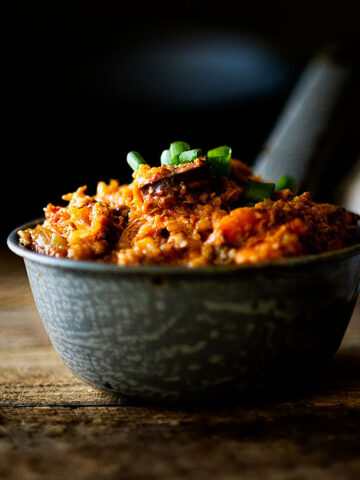
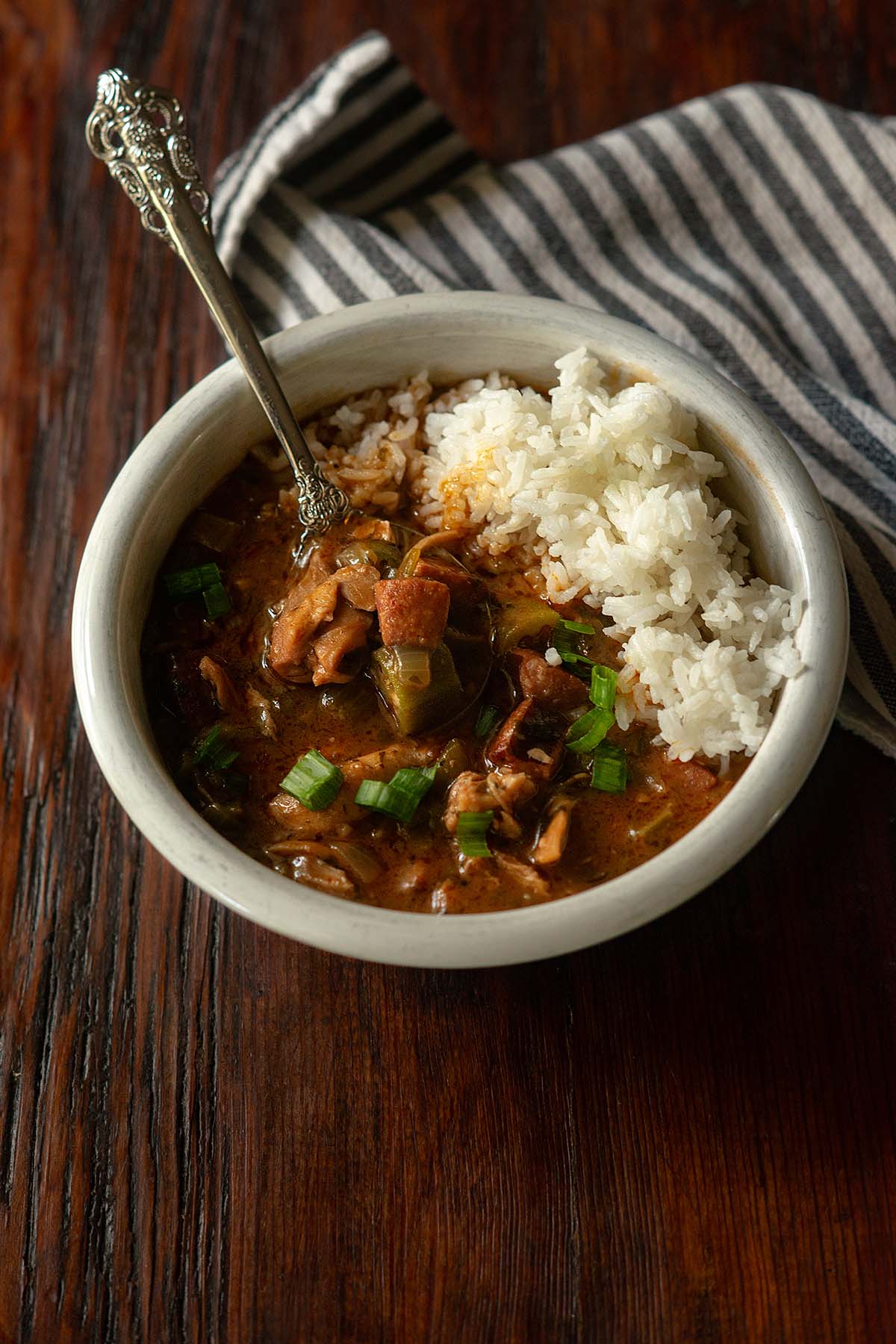
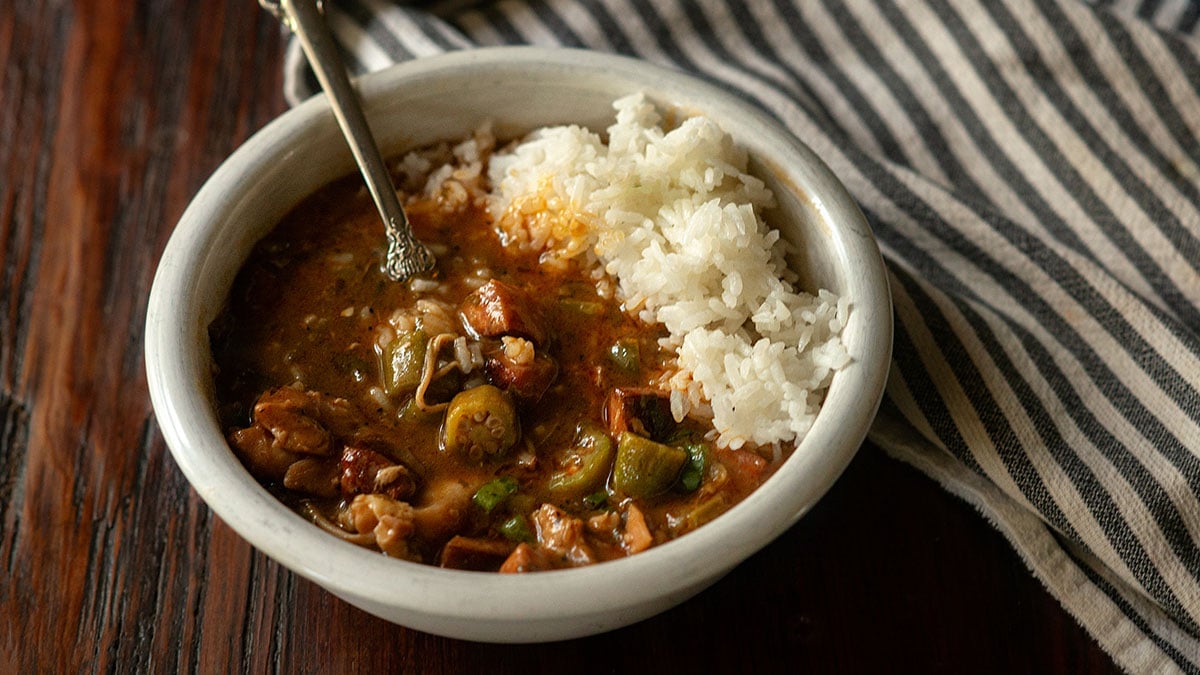
Quick Take: This Chicken and Sausage Gumbo is built from a real dark roux, the Holy Trinity, tender chicken thighs, and smoky andouille sausage. Deep, rich, and worth the extra time it takes to get there. Cooking the roux low and slow until it's a deep brown, without walking away from it, is what gives this gumbo its toasted, savory backbone instead of a flat, thin broth.
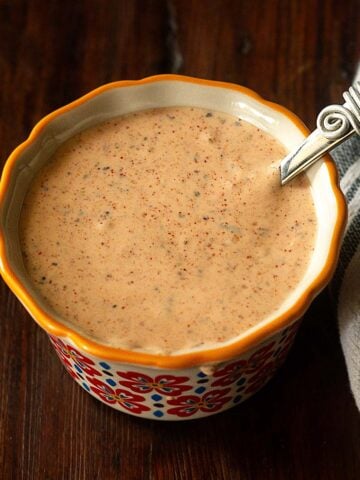
It's the kind of gumbo built for cooling weather and a big pot. Serve it over rice with Southern Hush Puppies and my Cajun Remoulade Sauce on the side, and you've got a full Louisiana spread.

Jump to:
Ingredients
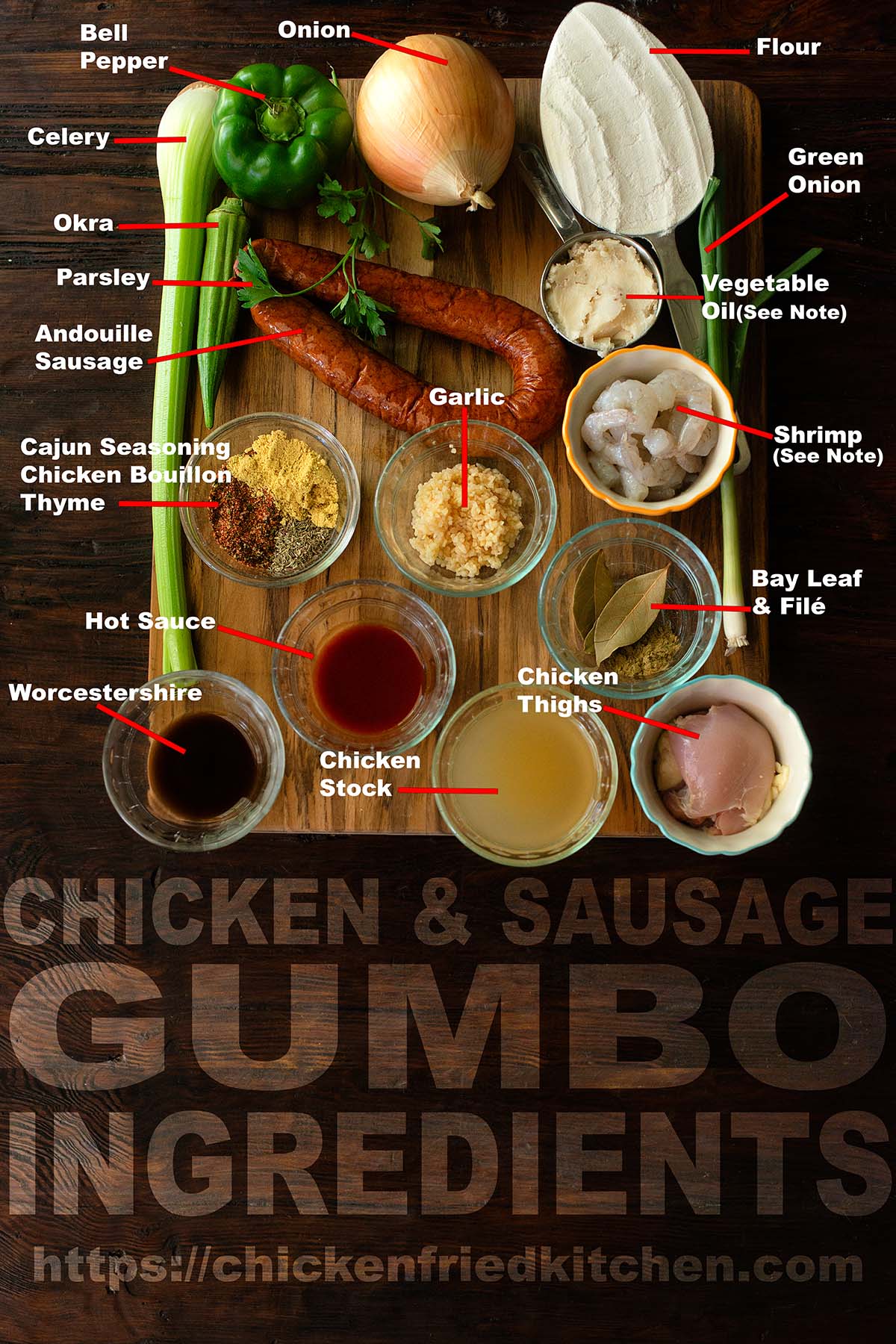
For the Roux
- All-Purpose Flour – Combined with the oil to create the roux that forms the foundation of the gumbo.
- Vegetable Oil – A neutral oil that works well for cooking the roux to a deep brown without introducing competing flavors. (Note: use vegetable oil, not bacon grease, see Expert Tips.)
For the Gumbo
- Celery – Four diced ribs make up one part of the classic Holy Trinity used as the aromatic base.
- Green Bell Peppers – Two diced peppers add fresh, slightly grassy flavor and are another essential part of the Holy Trinity.
- Yellow Onion – One large diced onion completes the Holy Trinity and adds sweetness as it cooks.
- Green Onions – Four sliced green onions add another layer of onion flavor.
- Fresh Okra – 12 ounces, sliced with the caps removed. Contributes flavor and helps give the gumbo its characteristic body.
- Italian Parsley – One bunch of freshly chopped parsley adds freshness to the otherwise rich gumbo.
- Fresh Minced Garlic – Two tablespoons bring plenty of savory garlic flavor.
- Cajun Seasoning – Two tablespoons provide much of the seasoning and spice. Use your favorite Cajun blend and adjust according to its salt and heat level.
- Chicken Stock – Eight cups create the base of the gumbo once the roux and vegetables are ready.
- Hot Sauce – One tablespoon provides some extra Louisiana-style heat and acidity without overwhelming the gumbo.
- Worcestershire Sauce – Adds another layer of savory, umami-rich flavor.
- Chicken Bouillon Powder – Two teaspoons intensify the chicken flavor of the stock.
- Filé Powder – A half teaspoon adds the distinctive earthy flavor of ground sassafras leaves traditionally associated with gumbo.
- Dried Thyme – One teaspoon adds an earthy herbal note.
- Bay Leaves – Three bay leaves slowly infuse the gumbo as it simmers.
- Andouille Sausage – A 12-ounce package brings smoky, spicy sausage flavor to every bowl.
- Boneless, Skinless Chicken Thighs – Six chicken thighs stay tender and flavorful as they cook in the gumbo.
- Shrimp – I like shrimp in all gumbo, but this is completely optional.
- Cooked Rice – For serving the finished gumbo.
Step-by-Step Instructions
Step 1: Prep the Ingredients
Start by prepping all of the ingredients.
This is really important when making gumbo. Once that roux gets going, you don’t want to be walking away from it to chop vegetables or measure ingredients.
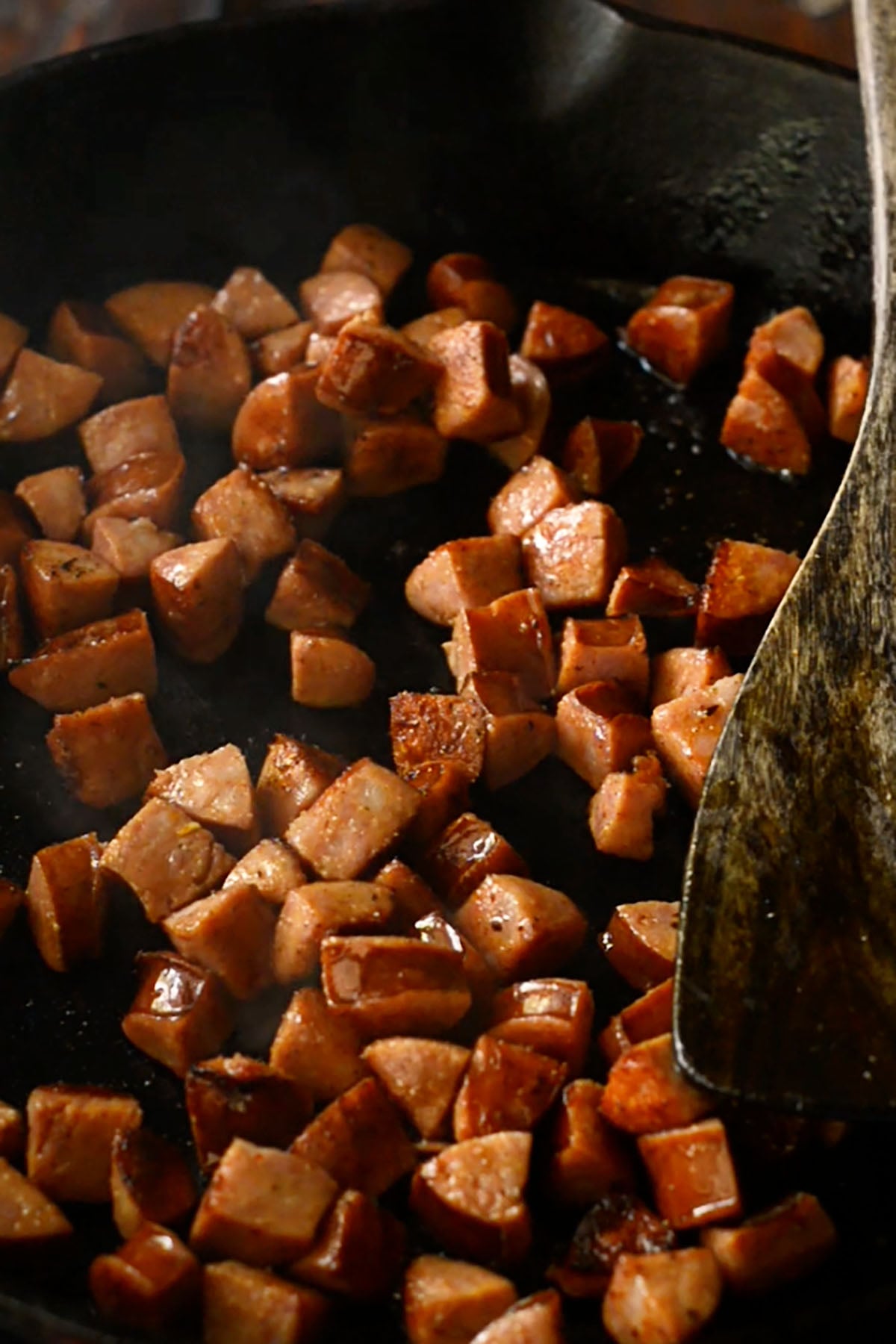
Start by cutting the Andouille sausage into small pieces and set it aside.
Next, dice the onion, green bell peppers, and celery and combine them in a mixing bowl.
This is the Holy Trinity, and it’s going to form the flavor base of our gumbo.
Now chop the parsley, slice the okra and green onions, and set each of those aside as well.
Next, in a separate cast-iron skillet from the Dutch oven we’ll be using for the gumbo, cook the Andouille sausage until it’s nicely browned on all sides.
Once it’s browned, remove it from the skillet and set it aside.
Step 2: Make the Roux
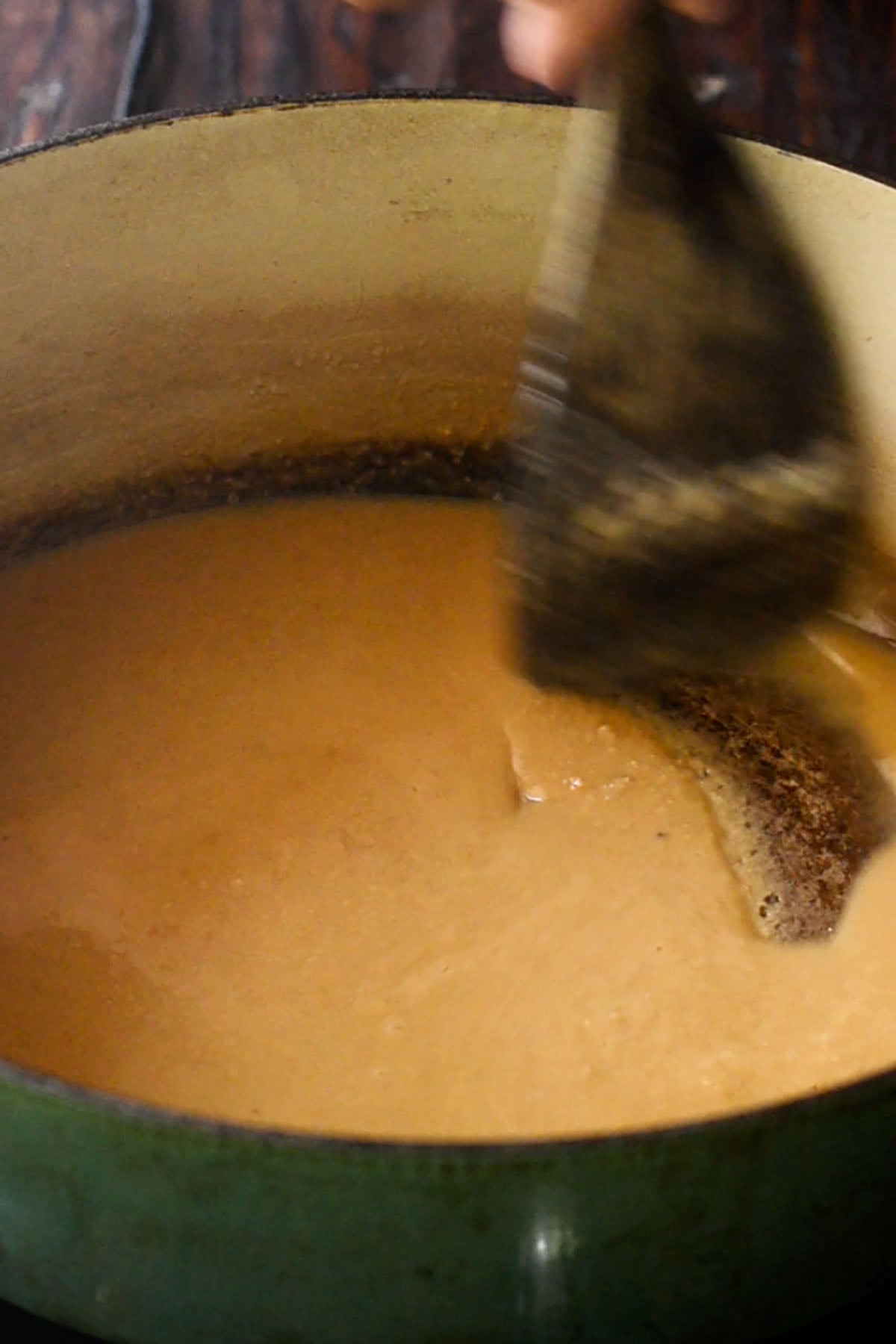
In a large enameled cast-iron Dutch oven over medium-low heat, add the vegetable oil.
Then gradually begin sprinkling in the flour while stirring constantly.
I don’t recommend dumping all of the flour in at once.
Adding it gradually makes it easier to work everything together into a smooth roux without having to fight a bunch of lumps.
And from this point forward, patience is the name of the game.
Keep stirring.
The roux will slowly begin changing color as the flour cooks.
Continue stirring the roux over medium-low heat and be patient.
Depending on your stove and how dark you like your roux, this can take upwards of an hour or possibly even a little longer.
This is one step you really don’t want to rush.
As it cooks, you’ll see the roux gradually move through different shades of brown.
For this gumbo, I’m looking for something around a medium brown, similar to milk chocolate, with a rich, nutty, almost buttery aroma.
And remember, the roux is going to continue darkening once we add the vegetables, so you don’t necessarily need to take it as dark as you ultimately want the gumbo to be.
But here’s the most important part.
If the roux starts smelling burnt or you begin seeing black specks appear throughout the mixture, it has burned.
Unfortunately, there’s really no fixing it at that point.
You’ll need to start the roux over.
It’s frustrating, but starting over is a whole lot better than building an entire pot of gumbo on top of a burnt roux.
Step 3: Add the Holy Trinity
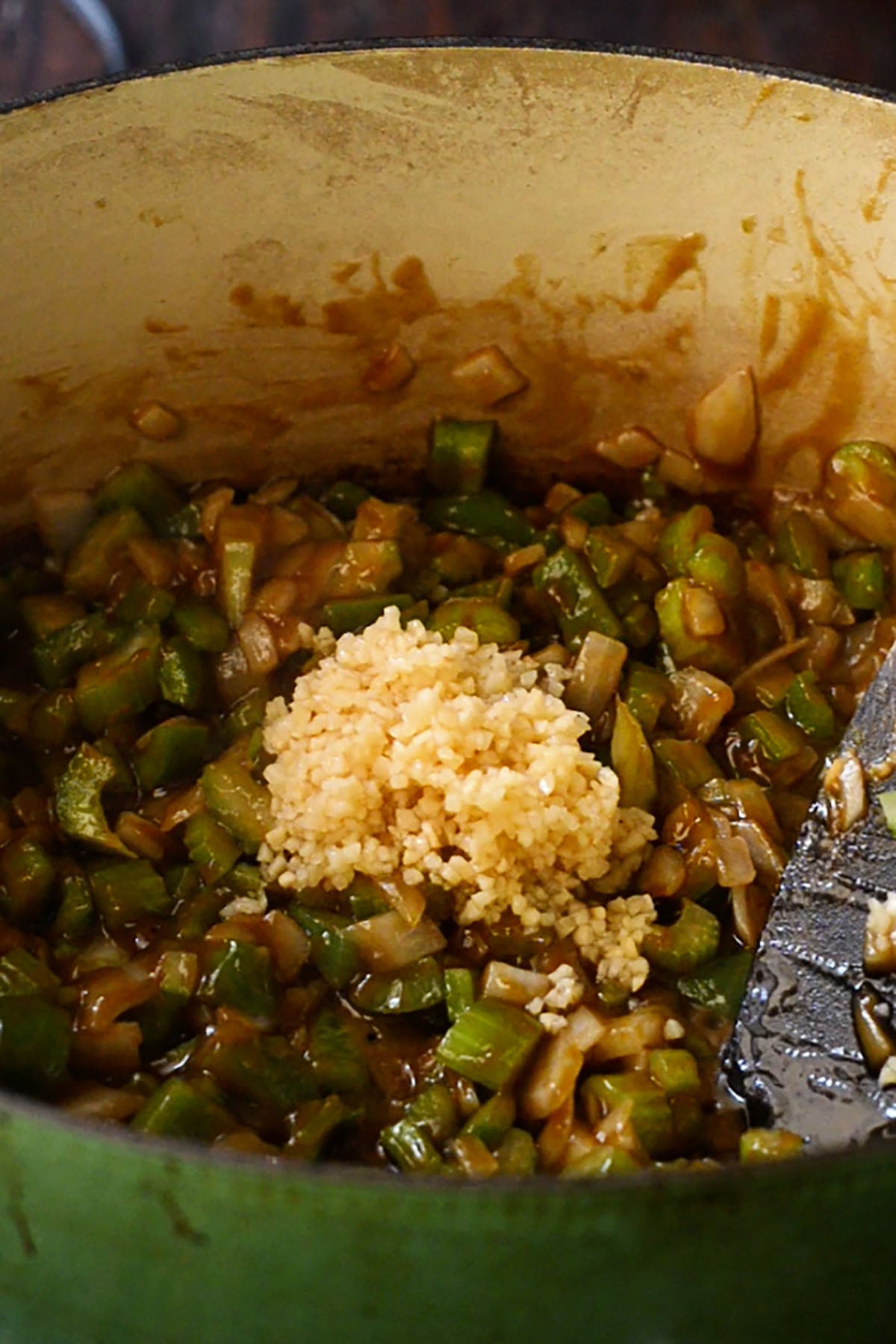
Once the roux reaches that beautiful milk-chocolate color, immediately add the onion, bell pepper, and celery.
Keep stirring as the vegetables begin to soften.
Not only are we cooking the Holy Trinity here, but adding those vegetables also helps slow down the cooking of the roux.
Once the vegetables have softened slightly, add the fresh minced garlic.
Stir that in and let it cook just until it becomes aromatic.
Then add the chicken bouillon powder, Cajun seasoning, dried thyme, and filé powder.
Give everything another good stir so those seasonings are evenly distributed throughout the vegetable and roux mixture.
Step 4: Build the Gumbo
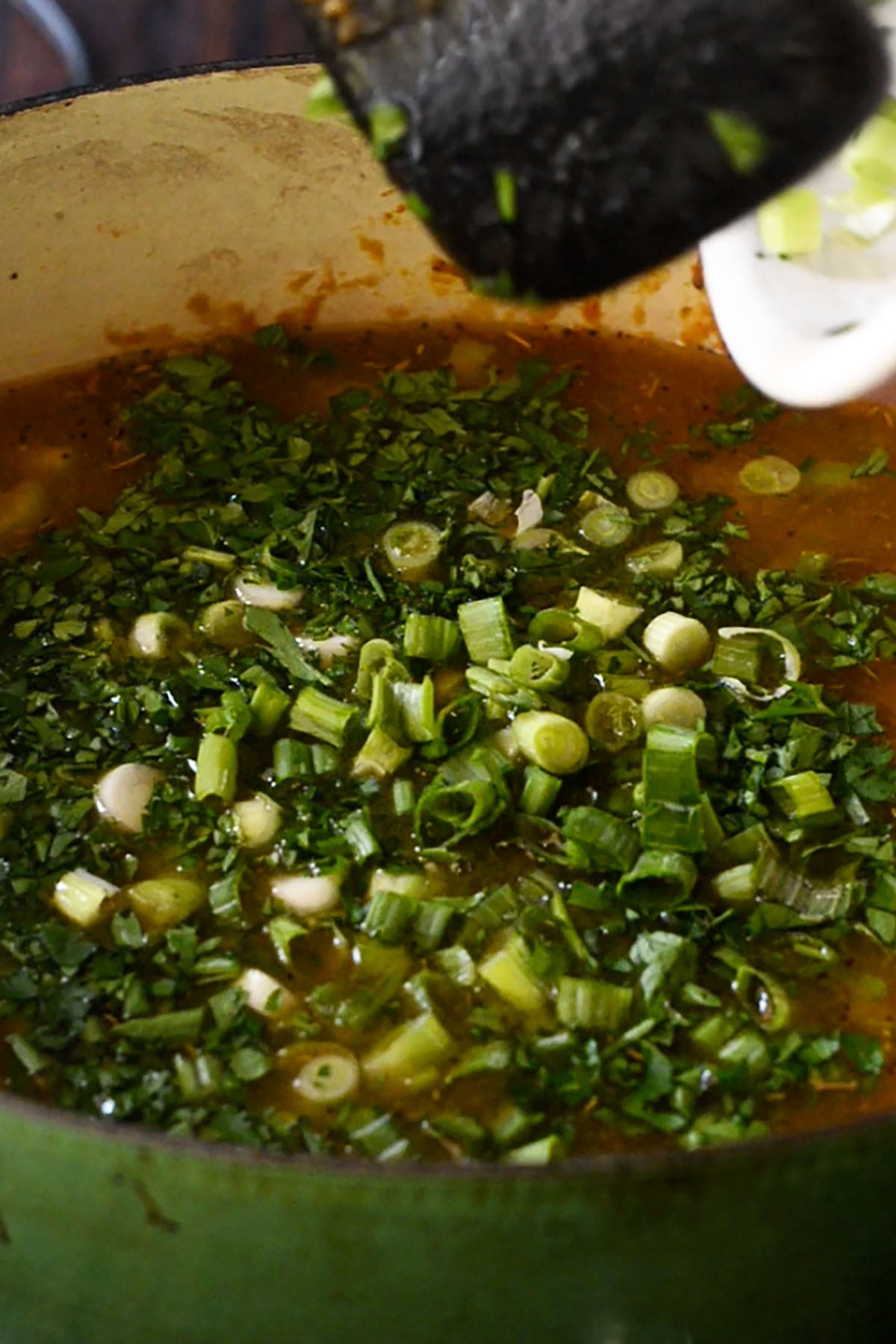
Now add the Worcestershire sauce and hot sauce.
Then slowly pour in the chicken stock while continuing to stir.
Make sure you scrape along the bottom of the Dutch oven and work everything together until the roux is completely incorporated into the stock and you have a smooth base for the gumbo.
Now add the chopped parsley and sliced green onions, followed by the browned Andouille sausage.
Give everything another good stir.
Cover the Dutch oven and bring the gumbo to a boil.
Step 5: Add the Chicken
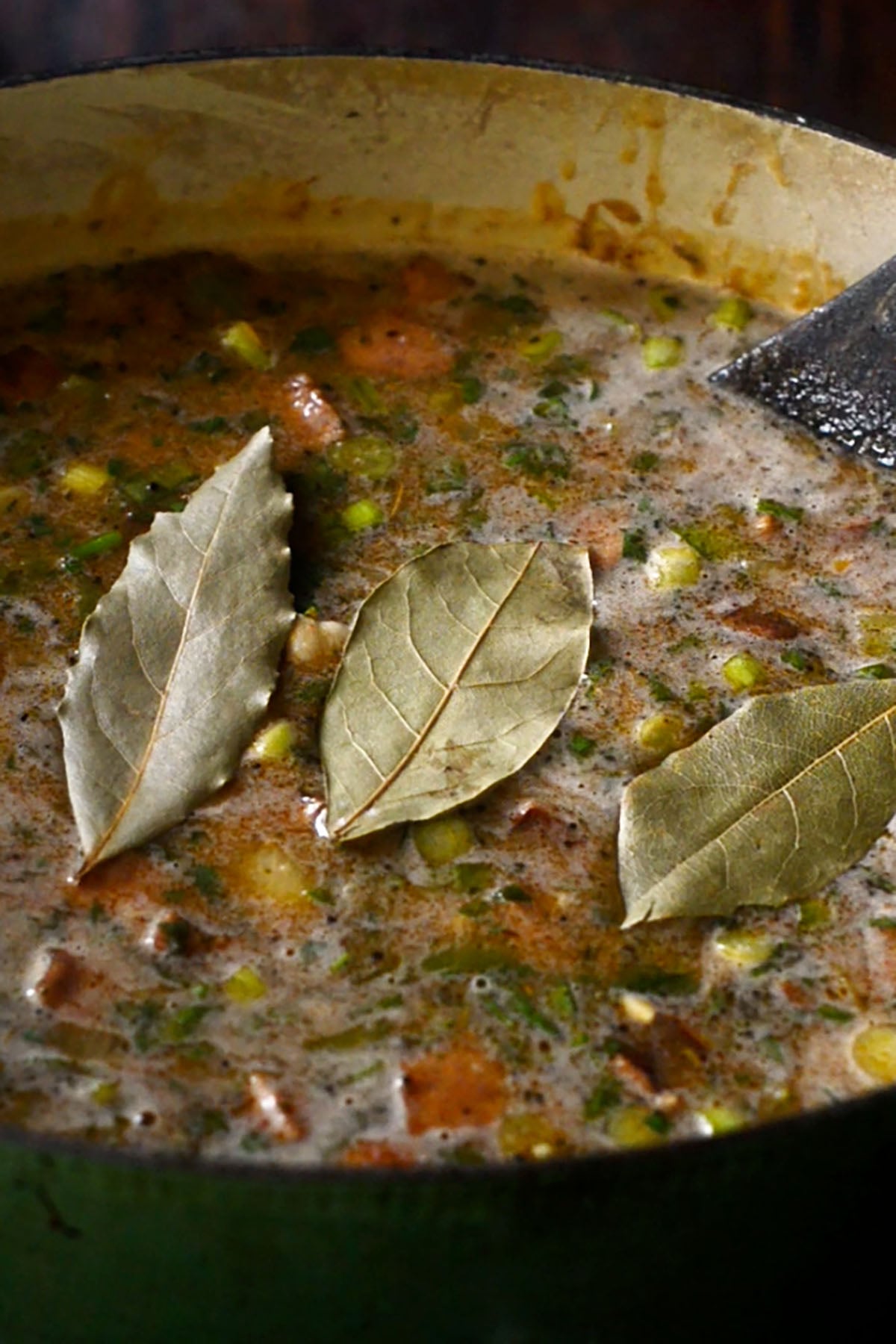
Once it reaches a boil, carefully add the chicken thighs and bay leaves.
Make sure the chicken is submerged, cover the pot, and let everything cook for about an hour.
This gives the chicken plenty of time to become tender while the sausage, vegetables, seasonings, and roux continue building that deep gumbo flavor.
Step 6: Finish the Gumbo
After an hour, remove the chicken thighs and bay leaves.
Discard the bay leaves, then shred the chicken into bite-sized pieces.
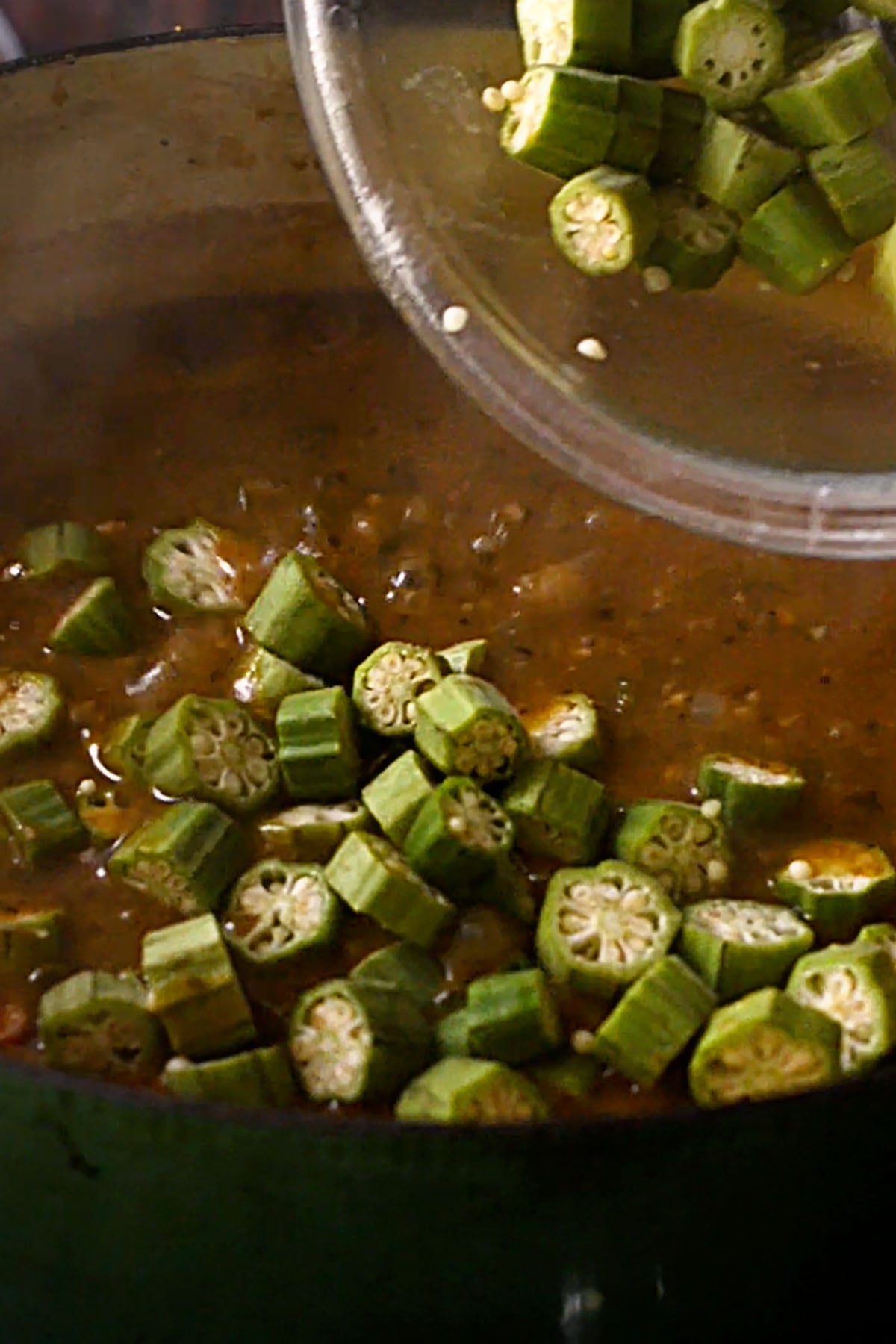
Return the shredded chicken to the pot along with the sliced okra.
Reduce the heat and let the Chicken and Sausage Gumbo simmer for another 45 minutes.
This is where everything really starts coming together.
The okra becomes tender, the broth continues developing, and all of those individual flavors we’ve been building throughout the recipe start tasting like one finished gumbo.
Now, if you want to add shrimp, this is when I would do it.
After the gumbo has simmered for 45 minutes, add your shrimp and continue simmering for about another 15 minutes, or just until the shrimp are fully cooked.
The shrimp are completely optional, though.
There’s already plenty going on in this Chicken and Sausage Gumbo without them.
Once everything is finished, taste the gumbo and adjust the seasoning if needed.
Then serve it hot with cooked white rice, a side of homemade Southern cornbread, and, of course, some Louisiana or Crystal Hot Sauce.
Expert Tips
- Get everything ready before you start the roux. Once you're making it, it needs your full attention. Have your Holy Trinity chopped and sitting nearby so you can add it as soon as the roux is ready.
- Don't walk away from the roux. It can go from beautifully dark to burnt surprisingly quickly. Keep stirring and watch the color carefully, especially toward the end.
- If the roux burns, start over. Burnt roux gives the entire gumbo an unpleasant bitter flavor, and adding the remaining ingredients won't fix it.
- Use vegetable oil, not bacon grease. I originally tested this recipe with bacon grease, which is why you'll see it in the ingredient photo, but I burned that first roux. Switching to vegetable oil made it much easier to get a consistent dark roux.
- Chicken thighs are ideal for gumbo. They hold up well during the simmer and stay tender and flavorful.
- Gumbo gets even better with time. Like many soups and stews, the flavors continue developing as it sits. Leftovers the next day are fantastic and even better than the freshly made batch, in my opinion.
What to Serve With Chicken and Sausage Gumbo
Chicken and Sausage Gumbo is hearty enough that it doesn't need a table full of side dishes. A scoop of hot white rice is really all you need to turn it into a complete meal.
If you want something alongside it, Southern Hush Puppies or some Homemade Cornbread work perfectly with the Cajun flavors, especially served with my Cajun Remoulade Sauce for dipping. And if you're serving a larger Southern or Louisiana-inspired dinner, something sweet like Southern Peach Cobbler or Banana Foster Banana Pudding makes a great way to finish the meal.
Recipe FAQs
The Holy Trinity is the combination of onion, celery, and green bell pepper used as the aromatic foundation for many Cajun and Creole dishes. In this gumbo, the vegetables are added directly to the finished roux before the remaining ingredients.
For this recipe, you're looking for a deep brown roux. The darker it becomes, the deeper and more toasted its flavor gets, but it also becomes increasingly easy to burn. Stir continuously and rely on appearance and aroma rather than trying to rush it with excessive heat.
A properly browned roux should smell rich, nutty, and toasted. If you see black specks or it develops a distinctly burnt or bitter smell, you've probably gone too far. There's no good way to rescue a genuinely burnt roux, it's better to start again.
Okra contributes flavor and body, while filé powder brings its distinctive earthy sassafras flavor to the finished gumbo. This recipe uses 12 ounces of fresh okra during cooking and a small amount of filé powder. More filé can be served as a garnish as well.
You can, but boneless, skinless chicken thighs are preferable for this recipe. Their higher fat content and darker meat make them particularly well suited to the longer cooking time and bold flavors of gumbo.
Both are Louisiana dishes, but they're quite different. Gumbo is generally a brothier, soup-like dish built around a roux, vegetables, stock, and various meats or seafood. Étouffée is typically thicker and more gravy-like, with the name referring to the French word meaning "smothered." If you want to see the difference for yourself, try my Crawfish Étouffée or Alligator Étouffée.
It certainly can. Giving the finished gumbo time in the refrigerator allows the flavors to continue melding together, making this an excellent recipe to prepare ahead or enjoy as leftovers.
More Recipes You'll Love


If you made this Chicken and Sausage Gumbo recipe or any other of my recipes, please leave a Star Rating and let me know your thoughts in the comments below.
Don't forget to tag @chickenfriedkitchen on Instagram, Subscribe on YouTube, and Follow on Pinterest and Facebook! I'll see you there!
📖 Recipe
Chicken and Sausage Gumbo
Equipment
Ingredients
For the Roux:
- 1 Cup all-purpose flour
- 1 Cup Vegetable oil
For the Gumbo:
- 4 Celery ribs diced
- 2 Green Bell Peppers diced
- 1 Large Yellow Onion diced
- 4 Green Onions sliced
- 12 Oz Fresh Okra sliced, stems removed
- 1 Bunch Fresh Italian Parsley Chopped
- 2 tablespoon Fresh Minced Garlic
- 2 tablespoon Cajun Seasoning
- 8 Cups Chicken Stock
- 1 tablespoon Hot Sauce Louisiana or Crystal
- 1 tablespoon Worcestershire sauce
- 2 teaspoon Chicken Bouillon Powder
- ½ teaspoon Filé Powder
- 1 teaspoon Dried Thyme
- 3 Bay Leaves
- 12 Oz Andouille sausage sliced, cubed
- 6 Chicken Thighs Boneless, Skinless
- Cooked Rice for serving
Instructions
Ingredient Prep
- Cut the Andouille sausage into small pieces and set it aside.
- Dice the onion, green bell peppers, and celery and combine them in a mixing bowl.
- Chop the parsley, slice the okra and green onions, and set each of those aside as well.
- In a separate cast-iron skillet from the Dutch oven we’ll be using for the gumbo, cook the Andouille sausage until it’s nicely browned on all sides. Once it’s browned, remove it from the skillet and set it aside.
For the Roux and Gumbo
- In a large enameled cast-iron Dutch oven over medium-low heat, add the vegetable oil.
- Gradually begin sprinkling in the flour while stirring constantly.
- Continue stirring the roux over medium-low heat and be patient. Depending on your stove and how dark you like your roux, this can take upwards of an hour or possibly even a little longer. As it cooks, you’ll see the roux gradually move through different shades of brown. You're looking for something around a medium brown, similar to milk chocolate, with a rich, nutty, almost buttery aroma.
- Once the roux reaches that beautiful milk-chocolate color, immediately add the onion, bell pepper, and celery.
- Keep stirring as the vegetables begin to soften.
- Add the fresh minced garlic and cook until aromatic.
- Stir in the chicken bouillon powder, Cajun seasoning, dried thyme, and filé powder.
- Add the Worcestershire sauce and hot sauce.
- Slowly pour in the chicken stock while continuing to stir. Make sure you scrape along the bottom of the Dutch oven and work everything together until the roux is completely incorporated into the stock and you have a smooth base for the gumbo.
- Add the chopped parsley and sliced green onions, followed by the browned Andouille sausage giving it all another good stir.
- Cover the Dutch oven and bring the gumbo to a boil.
- Carefully add the chicken thighs and bay leaves ensuring the chicken is fully submerged.
- Cover the pot, and let everything cook for about an hour.
- After an hour, remove the chicken thighs and bay leaves.
- Discard the bay leaves, then shred the chicken into bite-sized pieces.
- Return the shredded chicken to the pot along with the sliced okra.
- Reduce the heat and let the Chicken and Sausage Gumbo simmer for another 45 minutes.
- Serve it hot with cooked white rice, a side of homemade Southern cornbread, and, of course, some Louisiana or Crystal Hot Sauce.
Video
Notes
- Get everything ready before you start the roux. Once you're making it, it needs your full attention. Have your Holy Trinity chopped and sitting nearby so you can add it as soon as the roux is ready.
- Don't walk away from the roux. It can go from beautifully dark to burnt surprisingly quickly. Keep stirring and watch the color carefully, especially toward the end.
- If the roux burns, start over. Burnt roux gives the entire gumbo an unpleasant bitter flavor, and adding the remaining ingredients won't fix it.
- Use vegetable oil, not bacon grease. I originally tested this recipe with bacon grease, which is why you'll see it in the ingredient photo, but I burned that first roux. Switching to vegetable oil made it much easier to get a consistent dark roux.
- Chicken thighs are ideal for gumbo. They hold up well during the simmer and stay tender and flavorful.
- Gumbo gets even better with time. Like many soups and stews, the flavors continue developing as it sits. Leftovers the next day are fantastic and even better than the freshly made batch, in my opinion.